
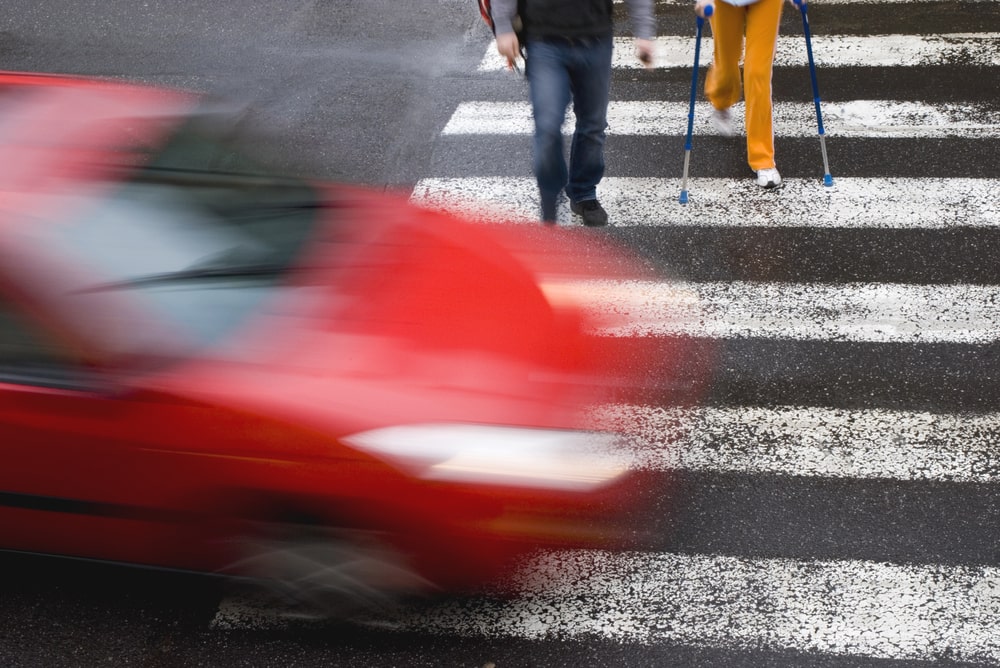
A Right of Way Rule Many Drivers Misunderstand
California law gives pedestrians significant protection at crosswalks, protection that many drivers simply do not fully understand until after a serious collision occurs. Understanding how this framework actually works matters considerably for anyone in Monterey pursuing compensation after being struck while walking.
This gap between what drivers assume and what California law actually requires often becomes central to a pedestrian accident claim, since an insurer will frequently attempt to argue the injured pedestrian bears significant responsibility regardless of the specific circumstances involved.
What California Vehicle Code Section 21950 Actually Requires
Under California Vehicle Code § 21950, drivers must yield the right of way to a pedestrian crossing within any marked or unmarked crosswalk at an intersection. A Monterey pedestrian accident lawyer explains this obligation exists regardless of whether a traffic signal controls the intersection, and it applies to crosswalks that exist by law even without visible painted lines on the pavement.
- Drivers must yield to pedestrians in marked and unmarked crosswalks
- This obligation applies at intersections regardless of traffic signals
- California follows pure comparative negligence for pedestrian claims
- Even significant pedestrian fault does not fully bar recovery
Why Unmarked Crosswalks Still Carry Full Legal Protection
California law recognizes an unmarked crosswalk at most intersections where two roads meet, even where the city has never painted visible lines on the pavement. This means a driver’s obligation to yield does not depend on whether painted markings actually exist at a specific intersection, a distinction that surprises many drivers who assume otherwise.
Why School Zones Add Additional Protections
Intersections near schools often carry heightened protections, including reduced speed limits and designated crossing guards who direct both traffic and pedestrian movement independent of standard signals. A driver who fails to yield in one of these zones can face both traffic violations and significant civil liability if that failure actually results in a pedestrian injury.
Why Pedestrians Still Carry Some Responsibility
Despite this strong right of way protection, California Vehicle Code § 21954 requires pedestrians crossing outside a crosswalk to yield to approaching vehicles, and pedestrians generally cannot suddenly leave a curb into the path of a vehicle so close that a driver has no reasonable opportunity to stop. This shared responsibility framework means fault in a pedestrian case often becomes genuinely contested.
How California’s Comparative Negligence Rule Actually Works
California follows a pure comparative negligence standard, meaning an injured pedestrian can recover damages even if found partly at fault for the collision, with the recovery simply reduced by their own percentage of fault. A Monterey pedestrian accident lawyer evaluating a claim explains this differs considerably from states that bar recovery entirely once a pedestrian’s fault reaches a certain threshold.
Why Turning Vehicles Cause So Many Pedestrian Collisions
Drivers making a turn frequently fail to check for pedestrians already crossing in the intended path, even when the driver technically has a green light or right of way to proceed. This pattern makes turning vehicle collisions a common and often genuinely avoidable cause of pedestrian injuries at busy Monterey intersections.
Why Distracted Driving Complicates Fault Determinations
A driver distracted by a phone, navigation system, or other in-vehicle activity often fails to notice a pedestrian who was actually visible and had the legal right of way. Establishing this kind of distraction can become central evidence in countering an insurer’s attempt to shift blame onto the injured pedestrian instead.
What Evidence Actually Establishes Fault in These Cases
Traffic signal timing, witness statements, surveillance footage, and police reports documenting the crosswalk’s exact configuration all help establish what actually happened before a pedestrian collision. Building a case around this kind of objective evidence matters considerably, since insurance adjusters routinely attempt to shift blame onto the injured pedestrian regardless of the underlying facts.
Pursuing Full Compensation After a Pedestrian Collision
Mitchell & Danoff Law Firm, Inc represents injured pedestrians throughout the Monterey area, working to establish fault under California’s crosswalk laws and pursue full compensation despite an insurer’s attempts to minimize the claim.