
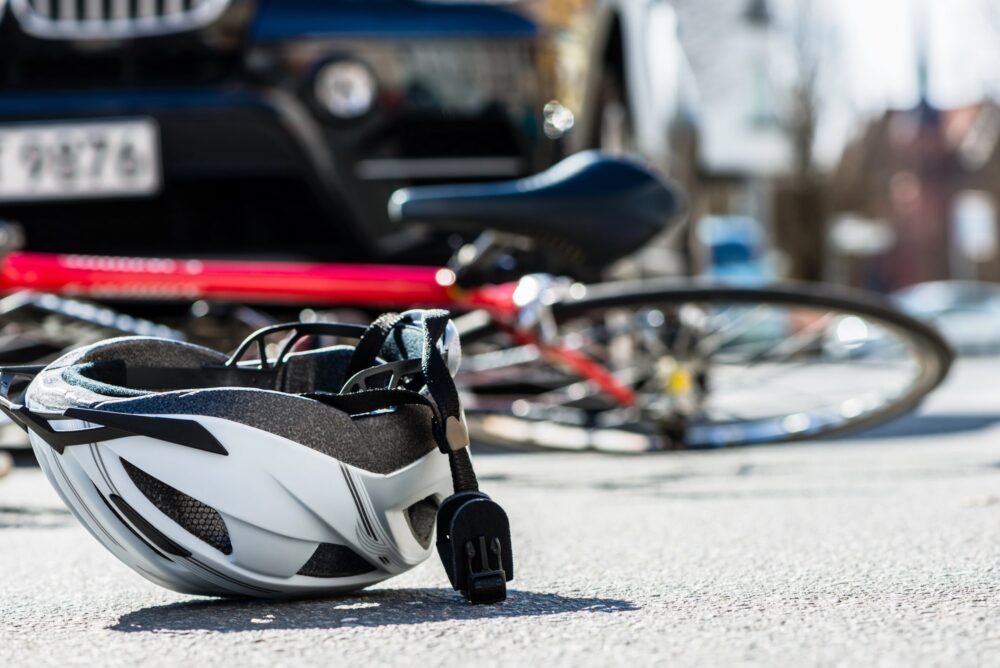
California has a detailed set of laws governing how cyclists and drivers share the road. Most people know the basics, wear a helmet if you’re under 18, ride with traffic, use lights at night. What fewer people understand is how those laws directly affect fault determinations and compensation after a bicycle accident. Whether you followed the rules or the driver did matters legally, and the specifics can significantly influence what your claim is worth.
What California Law Requires of Cyclists
Cyclists in California are treated as vehicle operators under the Vehicle Code. That means most of the rules that apply to cars apply to bikes too. Key obligations include:
- Riding in the same direction as traffic, not against it
- Using a bike lane where one is available unless making a turn, avoiding hazards, or passing another cyclist
- Signaling turns and stops
- Stopping at red lights and stop signs
- Using a white front light and red rear reflector or light when riding at night
- Not riding under the influence of alcohol or drugs
Adult cyclists aren’t required to wear helmets under California law, though riders under 18 are. That distinction matters in accident claims, which we’ll get to shortly.
What California Law Requires of Drivers Around Cyclists
Drivers carry significant obligations when sharing the road with cyclists. California’s Three Feet for Safety Act requires drivers to maintain at least three feet of clearance when passing a cyclist. If road conditions don’t allow three feet of clearance, the driver must slow to a reasonable speed and pass only when it’s safe to do so.
Drivers must also yield to cyclists in bike lanes, check for cyclists before opening car doors, and treat cyclists with the same right-of-way considerations they’d extend to other vehicles. Violations of these requirements are powerful evidence of negligence in a bicycle accident case.
How Traffic Law Violations Affect Fault
California follows a pure comparative fault system. Fault gets distributed among all parties based on their respective contributions to the accident, and compensation gets reduced by the injured party’s percentage of fault.
That means if a driver ran a red light and hit you, but you were riding without lights at night in violation of the Vehicle Code, a portion of fault may be assigned to you even though the driver caused the collision. Your compensation gets reduced by that percentage. Insurance adjusters look for exactly these kinds of violations to reduce what they owe, so your compliance with California’s bicycle laws at the time of the crash matters practically, not just technically.
A Monterey bicycle accident lawyer can evaluate how the traffic laws apply to the specific facts of your accident and anticipate the fault arguments the other side is likely to raise.
The Helmet Question for Adults
Adult cyclists aren’t legally required to wear helmets in California. But if you weren’t wearing one and suffered a head injury, insurance companies will argue that your injuries would have been less severe with a helmet. That argument can support a comparative fault assignment even though you didn’t violate the law.
The counterargument is that the driver’s negligence caused the accident itself, and the severity of your injuries doesn’t change who was responsible for putting you in harm’s way. California courts have addressed this in various contexts, and how it plays out depends heavily on the specific facts and the skill of your legal representation.
Using Traffic Laws to Strengthen Your Claim
When a driver violated a specific traffic law and that violation caused your accident, the legal concept of negligence per se may apply. Under this doctrine, a violation of a statute designed to protect a specific class of people from a specific type of harm can establish negligence without requiring additional proof that the driver failed to exercise reasonable care.
For bicycle accidents, this often applies when a driver failed to maintain the three-foot passing clearance, ran a red light, or failed to yield in a bike lane. Documenting the violation through police reports, witness accounts, and physical evidence supports the negligence per se argument.
Mitchell & Danoff Law Firm, Inc represents injured cyclists throughout California, building cases that use the specific provisions of California’s bicycle laws to establish liability and counter the fault arguments insurers raise. If you were hurt in a bike accident and want to understand how the law applies to your situation, speaking with a Monterey bicycle accident lawyer is a smart first step.