
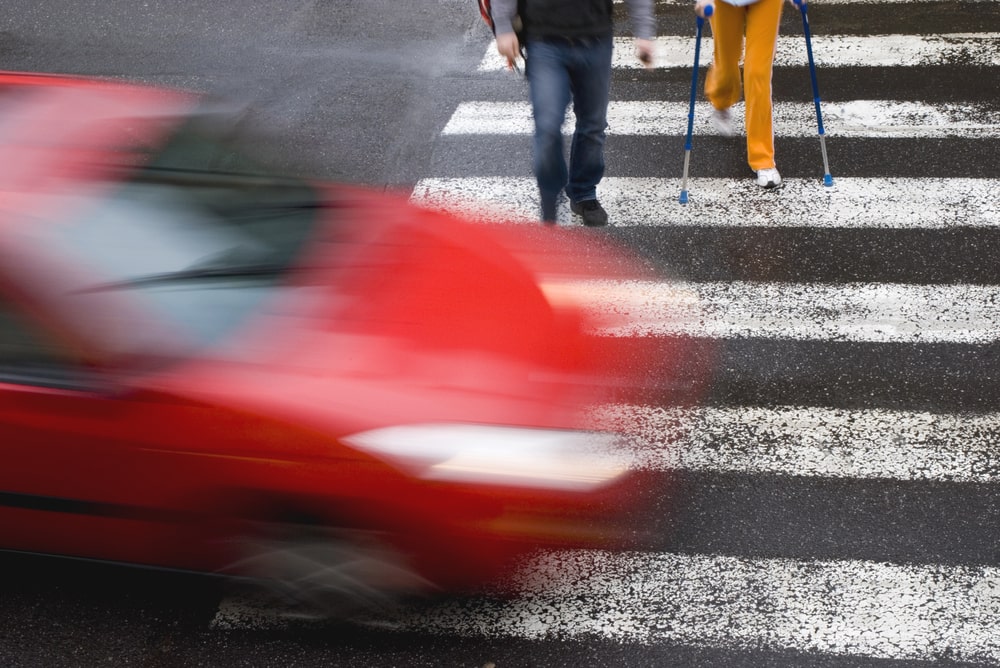
Walking should be one of the safest ways to get around, but pedestrian accidents happen far too often. When a vehicle strikes someone on foot, the results can be devastating. Pedestrians have no protection against thousands of pounds of metal moving at high speeds. These crashes often cause life-altering injuries that require extensive medical treatment and long recovery periods.
Our friends at Blaszkow Legal, PLLC discuss how drivers rarely accept full responsibility after hitting a pedestrian. A pedestrian accident lawyer helps you fight for fair compensation when insurance companies try to minimize their payout or deny your claim entirely. These attorneys understand the specific challenges pedestrians face when seeking justice after being struck by a vehicle.
The Scope Of Pedestrian Accident Injuries
Pedestrian accidents typically result in severe injuries because victims have no physical protection. The human body simply cannot withstand the force of being hit by a car, truck, or motorcycle. According to the Governors Highway Safety Association, pedestrian fatalities remain at concerning levels, with thousands of people killed each year in traffic crashes.
Common injuries from these accidents include traumatic brain injuries, spinal cord damage, broken bones, internal bleeding, soft tissue injuries, and severe lacerations. Many victims face permanent disabilities that affect their ability to work, enjoy activities they once loved, or even perform basic daily tasks independently.
How These Accidents Typically Happen
Most pedestrian accidents occur because drivers aren’t paying attention or fail to yield the right of way. We see certain scenarios repeatedly in these cases:
- Drivers failing to stop at crosswalks or ignoring pedestrian signals
- Vehicles turning right on red without checking for people crossing
- Distracted driving from phone use, eating, or other activities
- Drunk or impaired drivers losing control
- Speeding in residential areas or school zones
- Backing out of driveways without looking
- Poor visibility conditions combined with driver negligence
Even when pedestrians have the legal right of way, drivers sometimes claim they couldn’t see the person or that the pedestrian appeared suddenly. These excuses don’t eliminate driver liability, but they complicate the claims process.
Why Insurance Companies Fight Pedestrian Claims
Insurance adjusters often try to shift blame onto pedestrians after accidents. They might claim you were jaywalking, wearing dark clothing, distracted by your phone, or intoxicated. Even when these allegations are completely false, they use them to justify denying or reducing compensation.
The insurance company’s goal is protecting their bottom line, not helping you recover. They know pedestrian accidents often result in significant injuries and high medical costs. They’ll investigate every aspect of your life looking for reasons to pay less.
The Importance Of Evidence
Building a strong case requires gathering evidence immediately after the accident. Police reports document the official version of events, though officers don’t always get every detail right. Witness statements from people who saw the crash provide independent accounts of what happened.
Photos and video footage can be particularly powerful. Images of the accident scene, crosswalk signals, vehicle damage, and your injuries help establish the facts. Traffic cameras or security footage from nearby businesses might have captured the collision. We work to obtain this evidence before it disappears.
What Compensation Covers
Pedestrian accident victims can pursue compensation for both economic and non-economic damages. Economic damages include all your financial losses like medical expenses, rehabilitation costs, ambulance fees, prescription medications, lost wages, and reduced future earning capacity if your injuries prevent you from working.
Non-economic damages address the non-financial impact of your injuries. This includes physical pain and suffering, emotional trauma, loss of enjoyment of life, scarring and disfigurement, and disability. Serious cases involving permanent injuries warrant substantial compensation that reflects how the accident has changed your life.
Understanding Pedestrian Right Of Way Laws
Every state has laws protecting pedestrians, but these laws vary by location. Generally, pedestrians have the right of way in marked crosswalks and at intersections. Drivers must yield to people legally crossing streets, even in areas without marked crosswalks.
However, pedestrians also have responsibilities. Crossing against traffic signals, jaywalking in prohibited areas, or walking on highways where pedestrians aren’t allowed can affect your ability to recover compensation. Insurance companies will thoroughly investigate whether you violated any traffic laws.
Comparative Negligence Considerations
Many states use comparative negligence rules that reduce your compensation if you share any fault for the accident. If you were 20% responsible, your recovery decreases by that percentage. Insurance companies exploit these rules by exaggerating pedestrian fault or making up violations that never occurred.
We’ve handled cases where adjusters claimed pedestrians were at fault simply for crossing at night or wearing dark clothes. These factors might affect visibility, but they don’t excuse drivers from their duty to watch for pedestrians and drive safely.
Medical Treatment And Documentation
Getting immediate medical attention after being hit by a vehicle is absolutely necessary, even if you don’t think you’re badly hurt. Some serious injuries have delayed symptoms. A medical evaluation creates documentation linking your injuries directly to the accident.
Follow your doctor’s treatment plan completely. Missing appointments or gaps in treatment give insurance companies ammunition to argue your injuries aren’t serious. If you can’t afford medical care, an attorney can often help you find providers who will treat you on a lien basis, getting paid when your case resolves.
Keep detailed records of everything related to your accident. Save all medical bills, receipts, and documentation of lost wages. Write down how your injuries affect your daily life. Take photos of your injuries as they heal. This documentation becomes evidence supporting your claim.
Time Limits For Filing Your Claim
Statutes of limitations set deadlines for filing lawsuits after pedestrian accidents. These time limits vary by state, typically ranging from one to three years. Missing this deadline means losing your right to pursue compensation permanently, regardless of how strong your case might be.
Other deadlines matter too. Insurance policies require prompt notification. Evidence disappears over time. Witnesses move or forget details. The sooner you get legal help, the better your chances of building a winning case.
Dealing With Hit And Run Accidents
Some pedestrian accidents involve drivers who flee the scene. Hit and run cases present unique challenges, but you still have options. Your own auto insurance policy might include uninsured motorist coverage that applies even when you’re on foot. Police investigations sometimes identify hit and run drivers days or weeks after accidents.
If the driver is never found, you can still pursue compensation through your own insurance. An attorney can help you understand what coverage applies and how to maximize your recovery in these difficult situations.
Taking Action After Your Accident
Recovering from pedestrian accident injuries is hard enough without fighting insurance companies at the same time. You deserve compensation that fully addresses your medical needs, lost income, and the overall impact this accident has had on your life. Insurance adjusters have lawyers protecting their interests, and you should have someone fighting just as hard for yours.
If you’ve been injured as a pedestrian, don’t try to handle the insurance claim alone. Contact an attorney who regularly handles these cases and understands the tactics insurance companies use to avoid paying fair compensation. Your focus should be on healing, not battling with adjusters who don’t have your best interests at heart.